Sign in
Menu

Free to use, or I sort it for you: consultations, trip plans, visas, a home.

Guides

Practical help with the paperwork of living in Thailand — address reports, bank accounts, companies, schools and the days everything closes — each guide sourced and dated.
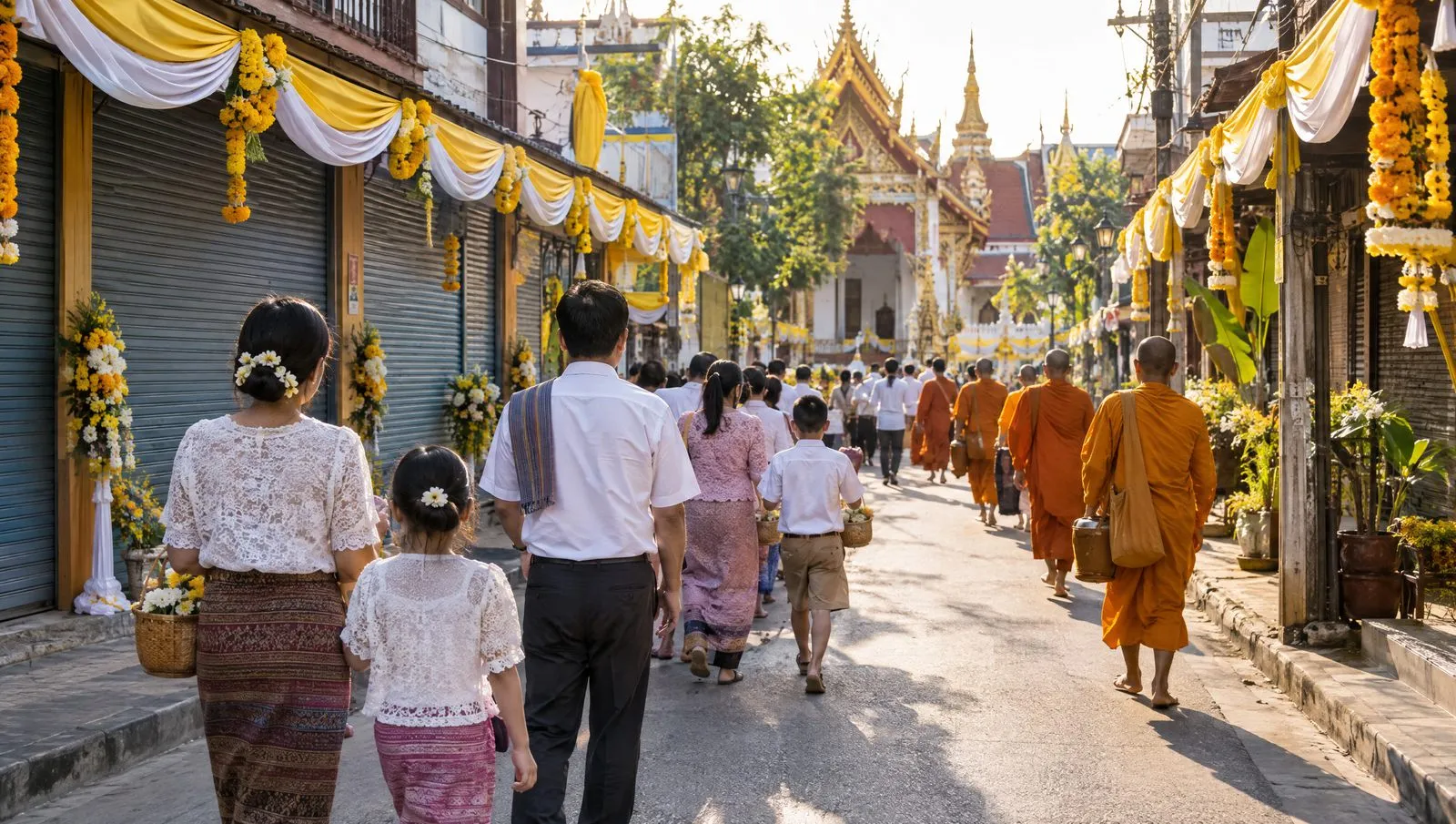
Public holidays, alcohol bans and what closesWhich days the banks shut, which days alcohol cannot be bought at all, and what the sales hours actually are since the 2026 rule change.
International and bilingual schools in Hua Hin: what they cost and how to chooseHua Hin has fully English international schools and cheaper bilingual schools with an international programme. Yearly tuition per child runs from about 150,000 baht at bilingual schools (indicative) to about 740,000 baht at the international school (official 2026/27 fees), plus one-time fees. The difference between the two types, what to ask, and how the choice affects your visa and where you live.Moving to Hua Hin: the first month, step by stepWhat to sort out before you fly, in the first week and in the first month after moving to Hua Hin: visa, a place to live, phone, money, transport, health, school, and the address report. In the right order, with the mistakes newcomers make most.Paying like a local in Thailand without a Thai bank accountThai shops, markets and food stalls are paid by scanning a QR code. Without a Thai bank account you can still do it: the TAGTHAi Easy Pay wallet for tourists, a multi-currency card for card terminals, and cash. What each option does, its limits, and when a Thai bank account is worth it.SIM card or eSIM in Thailand: which network, where to buy it, how to set it upAIS, True or dtac? In everyday use the network matters far less than the ads suggest. Where to buy a tourist SIM, why it is registered to your passport, and when an eSIM set up before you fly is the easier choice.Thailand Digital Arrival Card (TDAC): how to fill it in, step by stepEvery foreign visitor needs a new TDAC for each entry. It is free, opens 72 hours before arrival and takes about ten minutes. What to prepare, what to type in each field, the mistakes that cause trouble at the border, and a Polish PDF guide with screenshots to download.Where to live in Hua Hin: the main areas, by the beach or inlandHua Hin is small: from most areas the centre is 10 to 20 minutes by car. A walkable town centre, quieter beaches to the south, and houses with gardens inland in Hin Lek Fai, Nong Kae and Thap Tai. Who each area suits, and how to choose.
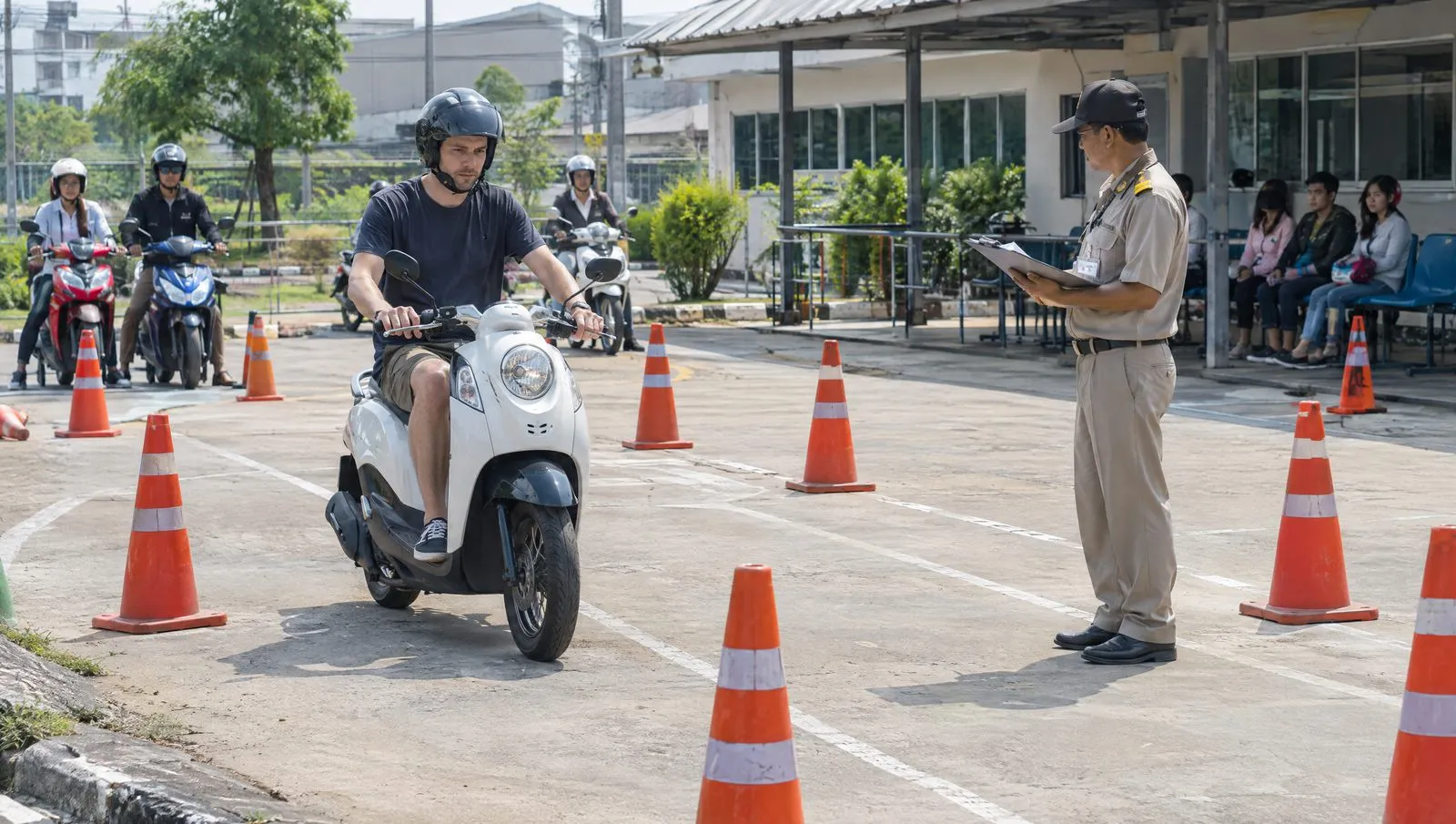
A Thai driving licence as a foreigner: converting yours, the papers, the feesVisiting, you drive on an International Driving Permit. Living here, you convert the licence from home into a Thai one: a residence certificate, a medical certificate, a one-hour online course and a fitness test at the land transport office, for a few hundred baht. From the Department of Land Transport and the Thai government's own pages.
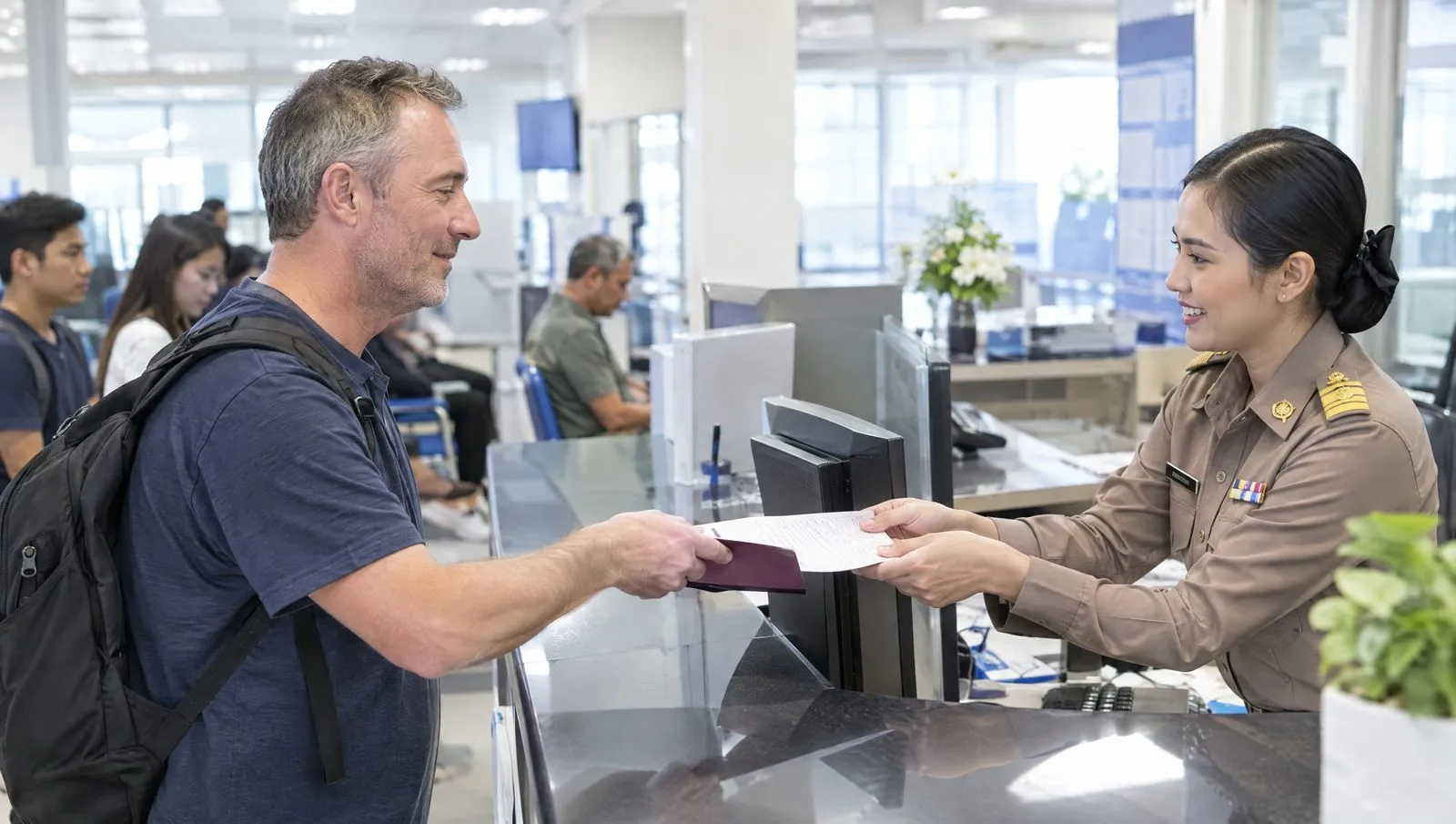
90-day reports and TM30: who files what, and whenTwo address notifications every long-stay foreigner in Thailand runs into. What each one is, whose job it is, the deadlines, the four ways to file a 90-day report, and what it costs to miss one — from the Immigration Act and the Immigration Bureau's own pages.
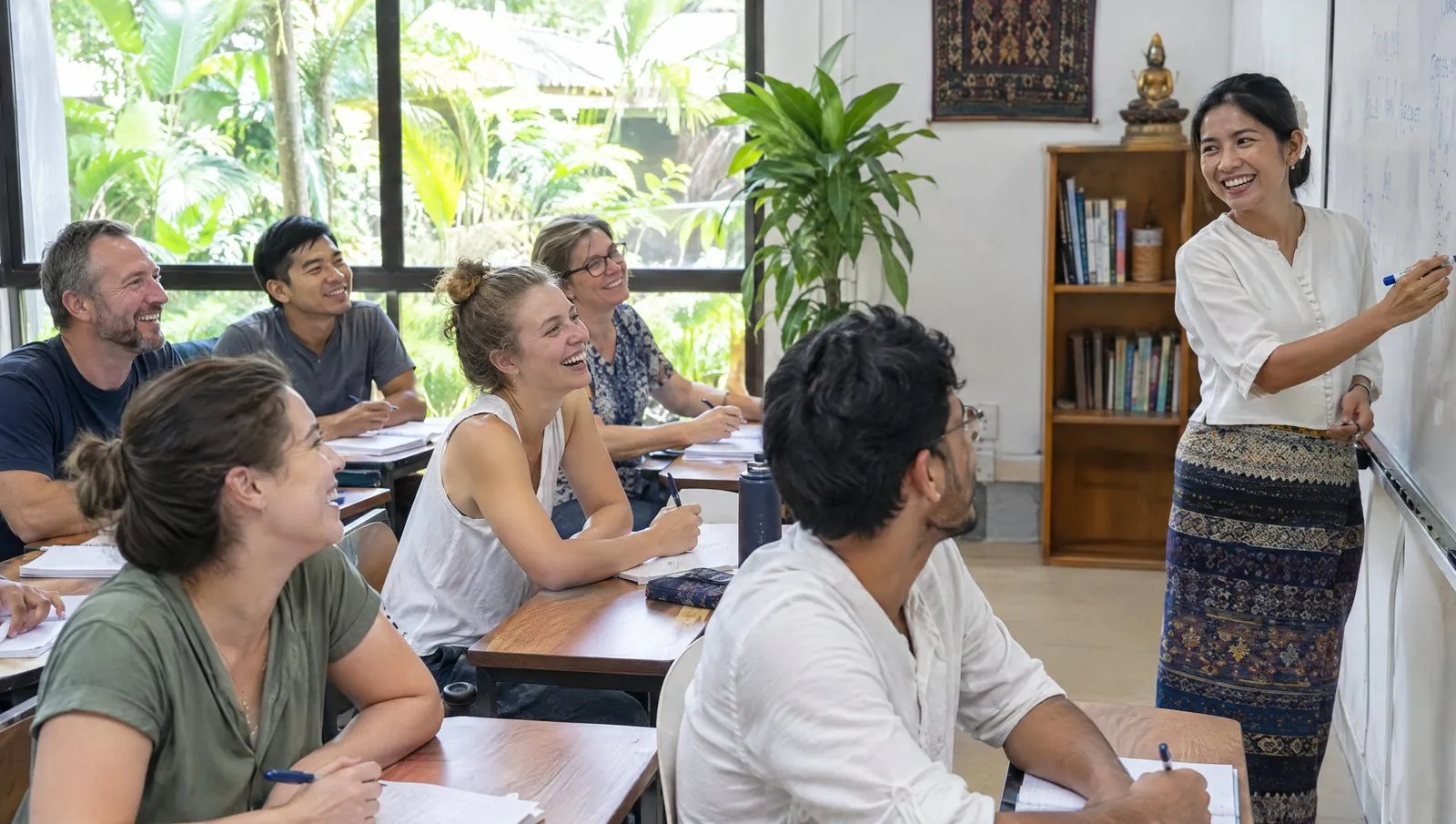
Choosing a Thai school that will actually hold your visaAn education visa rests on the school's registration, not on you. What to check before you pay, what the written rules say, and why most of what you will read about this is written by people selling something.
Opening a Thai bank account as a foreigner: what the banks actually ask forThere is no single national rule — each bank sets its own, and your visa type decides most of it. What Kasikorn, SCB and Bangkok Bank publish, who is turned away, and what to bring.
Setting up a company in Thailand as a foreigner: the steps, the real costs, the trapRegistering a Thai limited company takes a day and costs a few thousand baht in government fees. The foreign-ownership rules, the capital you need for a work permit, and the nominee structure that looks like a shortcut and is a crime — from the Department of Business Development, the Foreign Business Act and the Revenue Department.